When people think about buying a home sauna, they often focus on upfront cost and features. A quieter — but equally important — question is how long a home sauna actually lasts.
The answer depends on the type of sauna, how often it’s used, how well it’s maintained, and where it’s installed. This guide explains realistic lifespan expectations for home saunas and what owners can do to extend them.
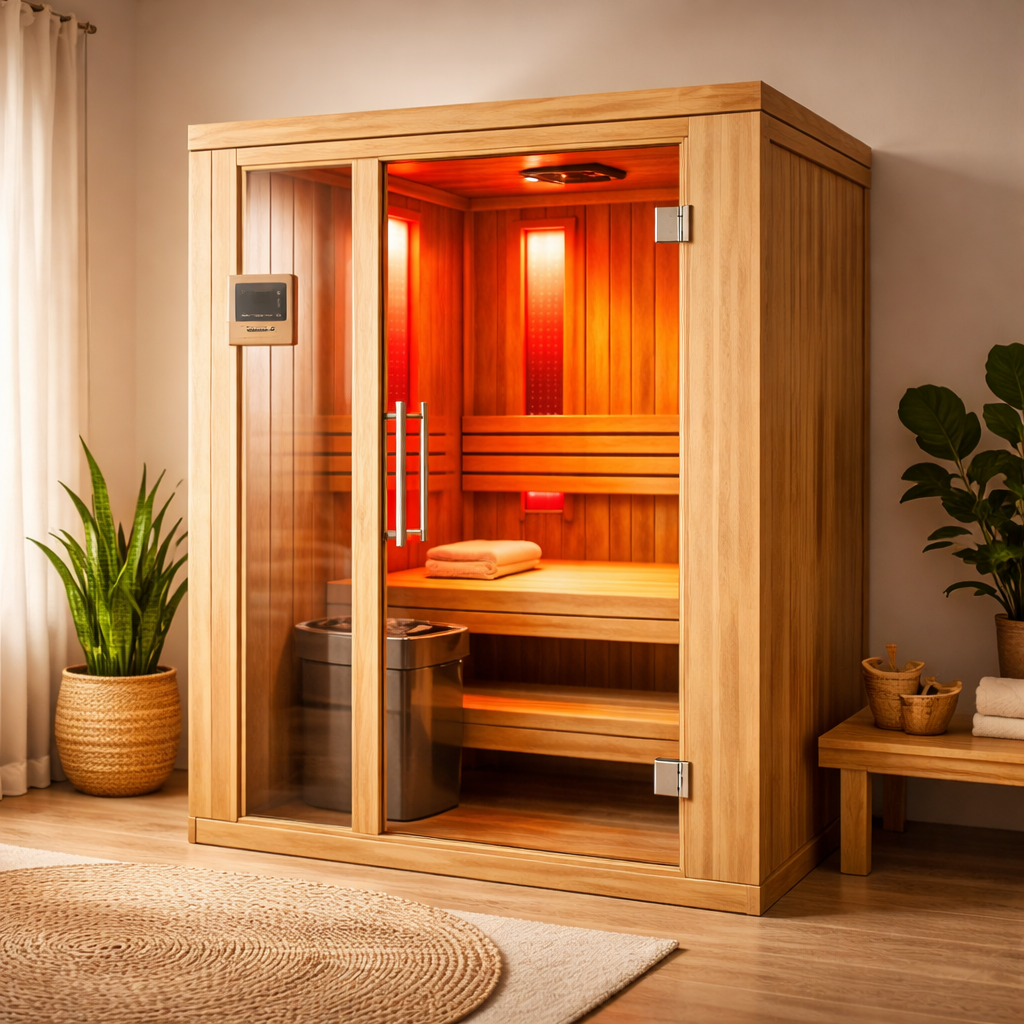
Short Answer: Most Home Saunas Last Many Years
A well-built home sauna that’s used and maintained properly can last many years, often well beyond a decade. Some components may need replacement sooner than others, but total failure is uncommon unless the sauna is neglected or improperly installed.
Longevity depends less on brand names and more on heat type, build quality, environment, and use habits.
Average Lifespan by Sauna Type
Infrared Saunas
Infrared saunas tend to experience less extreme heat stress than traditional saunas.
In general:
- Lower air temperatures reduce strain on wood and hardware
- Electronic components (panels, controls) are the most likely parts to wear
- Wood cabins typically age slowly if kept dry
Infrared saunas are often chosen for their lower heat and gentler operating conditions.
[INTERNAL LINK: link the words “lower heat and gentler operating conditions” to Infrared Sauna Buying Guide]
Traditional Saunas
Traditional saunas operate at higher air temperatures and may involve steam.
This means:
- More stress on wood, benches, and fasteners
- Heater components may eventually need replacement
- Stones wear over time
That said, traditional saunas are mechanically simple and durable when properly built.
Traditional saunas rely on simpler systems but experience higher heat stress.
What Usually Wears Out First
Home saunas rarely fail all at once. Instead, individual components age at different rates.
Heaters and Heating Elements
- Electric heaters may eventually need new elements
- Infrared panels can degrade gradually over time
- Controls and wiring may need attention after years of use
Sauna Stones
- Stones crack and deteriorate with repeated heating and cooling
- Worn stones reduce heat efficiency
Stones are a normal replacement item in traditional saunas.
Wood and Benches
- Benches may darken or dry over time
- Wood can crack if humidity is poorly managed
- Structural wood usually lasts much longer than seating surfaces
How Installation Location Affects Longevity
Indoor Home Saunas
Indoor saunas generally:
- Experience fewer temperature extremes
- Are protected from weather
- Last longer with minimal exterior wear
Proper ventilation and moisture control still matter.
Outdoor Home Saunas
Outdoor saunas:
- Are exposed to rain, snow, sun, and seasonal temperature swings
- Require weatherproofing and routine inspection
- May need exterior maintenance sooner
Placement plays a major role in long-term sauna durability.
How Usage Frequency Impacts Lifespan
Using a sauna frequently does not automatically shorten its life — poor habits do.
Factors that matter more than frequency:
- Overheating beyond recommended ranges
- Allowing moisture to linger after sessions
- Ignoring basic cleaning
Heat management and session length affect long-term wear.
Maintenance Makes the Biggest Difference
Basic care dramatically extends sauna lifespan.
Key habits include:
- Allowing the sauna to dry after use
- Cleaning benches and floors periodically
- Inspecting heaters, stones, and wiring
Routine maintenance prevents small issues from becoming major problems.
When Replacement Makes Sense
Most owners don’t replace their entire sauna because it “breaks.” Replacement usually happens when:
- Needs change (more space, different heat type)
- A major component fails after many years
- An outdoor unit deteriorates due to exposure
In many cases, replacing a heater or benches is far cheaper than replacing the whole sauna.
What Actually Determines Longevity
The biggest factors influencing how long a home sauna lasts are:
- Build quality
- Heat type and operating temperature
- Installation environment
- Maintenance habits
- How well the sauna fits the owner’s routine
Choosing a sauna that matches how you’ll realistically use it matters more than chasing premium materials.
Final Thoughts
Home saunas are long-term investments. When properly chosen and maintained, they can provide many years of reliable use with only occasional component replacement.
Understanding lifespan expectations helps buyers choose wisely — and helps owners get the most value out of what they already have.
