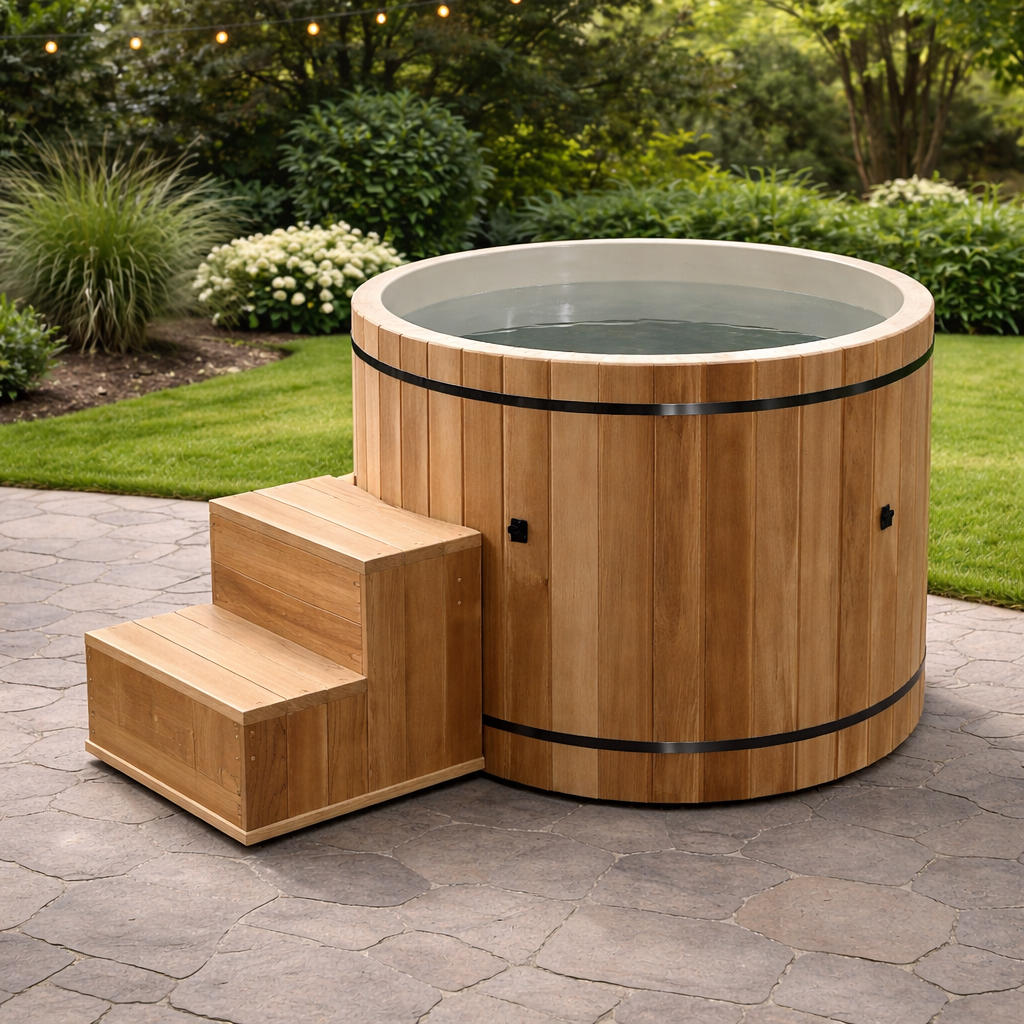
Cold plunge tubs are simple in concept — cold water, regular use — but longevity depends heavily on materials, cooling method, and maintenance. Some cold plunge setups last only a few years, while others can remain functional for a decade or more.
This guide explains how long cold plunge tubs typically last, what affects lifespan most, and how to extend the life of your setup without over-maintaining it.
If you’re still deciding which type of tub to buy, start with the full overview first.
Average Lifespan of Cold Plunge Tubs (By Type)
Cold plunge longevity varies widely depending on construction and components.
Inflatable Cold Plunge Tubs
Typical lifespan: 1–3 years
Inflatable tubs are the shortest-lived option.
Common wear points:
- Seams and valves
- Material fatigue from cold exposure
- Punctures or slow leaks
Best for:
- Beginners
- Temporary or travel setups
- Testing whether cold plunging fits your routine
They’re affordable, but not built for long-term daily use.
Plastic Barrels and Stock Tanks
Typical lifespan: 3–7 years
Rotomolded plastic tubs and agricultural stock tanks are significantly more durable.
Pros:
- Thick, impact-resistant plastic
- Fewer failure points
- Easy to clean and drain
Cons:
- Limited insulation
- External chillers add complexity
With basic care, these tubs often outlast inflatables by several years.
Chest Freezer Conversions
Typical lifespan: 5–10 years (with caveats)
Chest freezer plunges can last a long time if properly converted.
What affects lifespan:
- Quality of waterproofing
- Corrosion protection
- Electrical safety modifications
Improper sealing or electrical shortcuts are the most common causes of early failure.
Acrylic and Fiberglass Cold Plunge Tubs
Typical lifespan: 10+ years
Purpose-built acrylic or fiberglass tubs are designed for permanent installation.
Strengths:
- Rigid construction
- Better insulation
- Designed for frequent use
These tubs often last longer than budget options, especially when paired with a quality chiller.
Integrated Cold Plunge Systems
Typical lifespan: 10–15 years
All-in-one systems with built-in chillers and filtration are engineered for longevity.
Key factors:
- Commercial-grade components
- Matched cooling and filtration
- Manufacturer support
While upfront cost is higher, lifespan is typically the longest.
What Actually Wears Out First
Cold plunge tubs rarely “fail” all at once. Instead, individual components wear out.
Tub Shell
- Plastic and acrylic shells last the longest
- Cracking is rare unless exposed to freezing conditions without water
Cooling System
- Chillers typically last 5–10 years
- Compressors and pumps are the most common replacement items
For more detail, see: cooling system lifespan.
Plumbing and Fittings
- Hoses, clamps, and seals degrade over time
- Easy and inexpensive to replace
Filtration Components
- Filters require routine replacement
- Pumps may need replacement after several years
Factors That Shorten Cold Plunge Lifespan
The biggest lifespan killers are preventable.
Poor Water Maintenance
- Dirty water accelerates wear
- Biofilm buildup stresses pumps and chillers
Freezing Conditions
- Leaving water in outdoor tubs during freezing weather
- Cracked plumbing and fittings are common results
Undersized Chillers
- Chillers running constantly wear out faster
- Proper sizing reduces strain and extends lifespan
UV Exposure
- Direct sunlight degrades plastics over time
- Covers significantly extend outdoor tub life
How to Make a Cold Plunge Tub Last Longer
You don’t need perfection — just consistency.
Best practices:
- Maintain clean, balanced water
- Use a cover when not in use
- Keep chillers well-ventilated
- Drain and winterize outdoor setups if needed
- Replace filters on schedule
Most long-lasting setups succeed because owners do basic maintenance, not constant tinkering.
When Replacement Makes Sense
Sometimes replacement is smarter than repair.
Consider replacing when:
- Structural cracks appear
- Electrical components fail repeatedly
- Cooling efficiency drops significantly
- Repair costs approach replacement cost
Many owners upgrade rather than replace — keeping the tub while improving the chiller or filtration.
Is a Long-Lasting Cold Plunge Worth the Cost?
For regular users, yes.
Longer-lasting tubs:
- Reduce long-term cost
- Require less daily effort
- Encourage consistent use
If cold plunging becomes part of your routine, durability matters more than aesthetics.
Final Thoughts
Cold plunge tubs can last anywhere from a few years to over a decade, depending on construction, cooling method, and maintenance habits. Inflatable tubs are best viewed as temporary, while rigid and integrated systems are long-term investments.
If you’re planning regular use, choose durability early — it’s easier than upgrading later.
