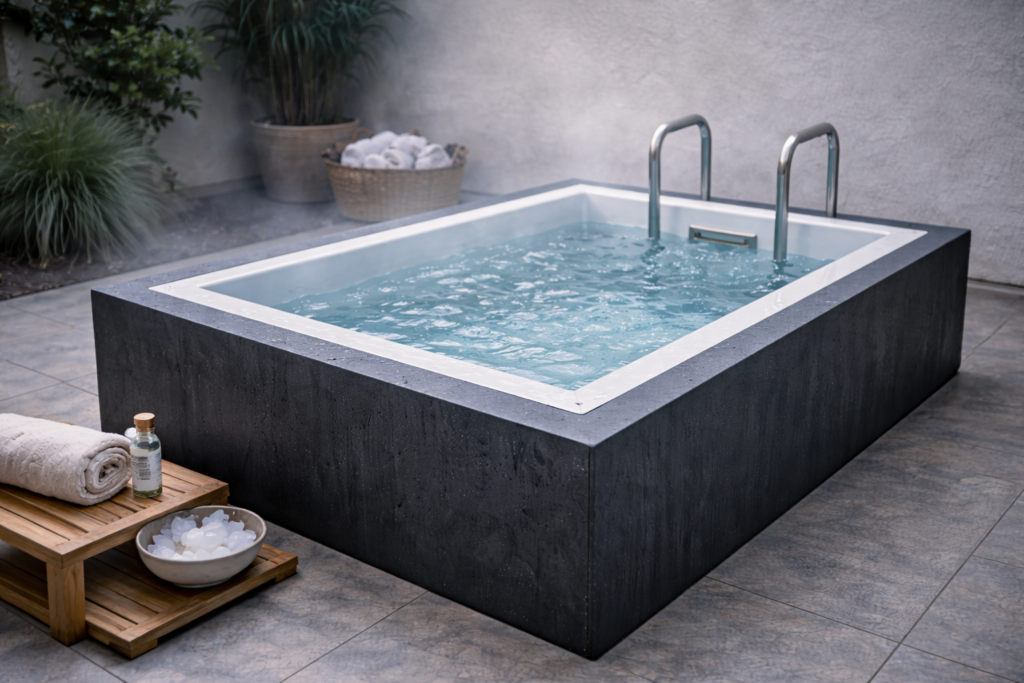
Cold plunging has moved from elite athletic training rooms into homes, gyms, and backyard wellness setups. While the practice looks extreme, the benefits people report are surprisingly consistent — and most don’t require long or punishing sessions.
This article explains the real, practical benefits of cold plunge use, what’s well-supported versus overhyped, and who tends to benefit most.
If you’re deciding whether cold plunging fits your routine, this guide focuses on outcomes rather than trends.
What Is a Cold Plunge?
A cold plunge is immersion in cold water — typically between 45°F and 60°F — for a short period of time. It can be done using:
- Dedicated cold plunge tubs
- Converted stock tanks or barrels
- Ice baths (water + ice)
Unlike cryotherapy or ice packs, cold plunging exposes most of the body at once, creating a full nervous-system response.
1. Faster Muscle Recovery After Exercise
This is the most established benefit.
Cold exposure causes blood vessels to constrict, which may help reduce:
- Post-exercise inflammation
- Muscle soreness (DOMS)
- Swelling in overworked joints
When you warm back up, circulation increases again, which many users report helps muscles feel looser and less sore later in the day.
This is why cold plunges are common after:
- Strength training
- High-volume endurance workouts
- Contact sports
That said, timing matters.
2. Improved Tolerance to Cold and Discomfort
Cold plunging trains your ability to stay calm under physical stress.
With repeated exposure, most people notice:
- Less panic response in cold water
- Improved breathing control
- Greater tolerance to discomfort
This adaptation tends to carry over into other areas — stressful workdays, intense workouts, or difficult situations feel more manageable.
This benefit is more about nervous system training than muscles or metabolism.
3. Increased Alertness and Mental Clarity
Cold water immersion triggers a strong sympathetic nervous system response.
People often report:
- Feeling instantly awake
- Improved focus after plunging
- A noticeable mood “reset”
This effect is one reason many people prefer cold plunging in the morning, even if sessions are short.
Unlike caffeine, the alertness tends to feel clean and short-lived rather than jittery.
4. Mood Elevation and Stress Regulation
Cold exposure stimulates the release of stress-related neurotransmitters and endorphins.
Regular users often describe:
- Improved mood stability
- Reduced feelings of stress
- A sense of calm after the initial shock
While cold plunging isn’t a treatment for mental health conditions, it can act as a powerful short-term mood regulator for many people.
Consistency matters more than intensity here.
5. Improved Circulation and Vascular Response
Cold plunging causes blood vessels to constrict, then re-dilate as the body warms back up.
Over time, this may:
- Improve vascular responsiveness
- Support circulation efficiency
- Increase awareness of body temperature regulation
This is one reason some people combine cold plunging with sauna use.
6. Potential Immune Support (With Limits)
Some research suggests that controlled cold exposure may support immune resilience, but this area is still evolving.
What’s important:
- Benefits appear linked to moderate, consistent exposure
- Overdoing cold plunges may increase stress instead of reducing it
Cold plunging should feel challenging but controlled — not exhausting.
What Cold Plunging Does Not Do
There’s a lot of hype around cold plunging. It’s important to be clear about limitations.
Cold plunging does not:
- Cause fat loss on its own
- Replace proper recovery sleep
- Cure injuries or chronic pain
- “Detox” the body
Its benefits are supportive, not magical.
Who Benefits Most From Cold Plunging?
Cold plunging tends to be most useful for:
- Athletes training multiple days per week
- People with physically demanding jobs
- Those who enjoy structured routines
- Sauna users looking for contrast therapy
It may be less helpful for people who:
- Strongly dislike cold exposure
- Are already under high physical stress
- Have certain medical conditions
How Long and How Often Matters More Than Temperature
Most benefits appear with:
- 1–3 minutes per session
- 2–4 sessions per week
- Water that feels cold but manageable
Colder is not always better.
Final Thoughts
Cold plunging offers real, repeatable benefits when used thoughtfully. Faster recovery, improved stress tolerance, mental clarity, and mood regulation are the most commonly reported outcomes.
The key is consistency — not pushing yourself to extremes.
If you’re considering equipment or setup options next, start here:
