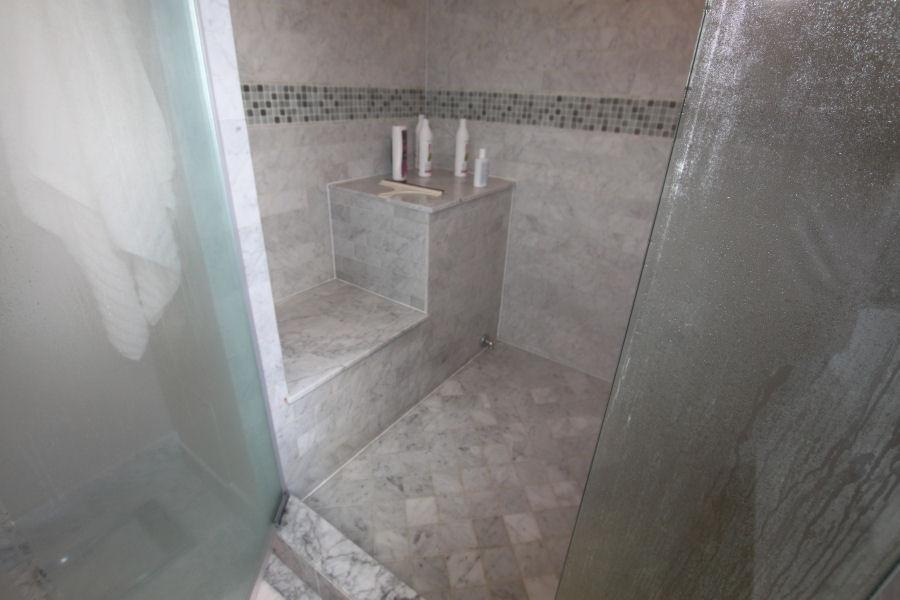
A well-built steam room is not a short-term upgrade. When properly installed and maintained, a home steam room can last many years with consistent performance and relatively low ongoing maintenance.
That said, steam rooms are complex systems. Their lifespan depends less on daily use and more on installation quality, materials, and maintenance habits.
This guide explains how long steam rooms typically last, which components wear out first, and what homeowners can do to extend the life of their system.
If you’re still in the planning stage, it helps to start with the bigger picture.
The Short Answer: Steam Room Lifespan Expectations
Most home steam rooms last 10–20 years or more when:
- The room is properly waterproofed
- The steam generator is correctly sized
- Routine maintenance is performed
- Moisture is managed after use
The enclosure itself often lasts longer than the generator. In many cases, the steam room structure remains sound while individual components are repaired or replaced over time.
Steam Room Enclosure Lifespan
The steam room enclosure includes:
- Walls and ceiling
- Tile or stone finishes
- Benches and seating
- Glass doors and seals
When built correctly, these components can last decades.
The biggest threats to enclosure lifespan are:
- Improper vapor barriers
- Poor waterproofing
- Trapped moisture behind walls
These issues almost always trace back to installation shortcuts.
Steam Generator Lifespan
Steam generators are mechanical devices, and they have a shorter lifespan than the enclosure itself.
Most residential steam generators last 7–12 years, depending on:
- Usage frequency
- Water quality
- Proper sizing
- Maintenance practices
A generator that is undersized often runs continuously at maximum output, which shortens its lifespan.
Proper sizing improves both performance and durability.
How Water Quality Affects Longevity
Water quality plays a major role in steam generator lifespan.
Hard water can cause:
- Mineral scale buildup
- Reduced heating efficiency
- Premature component wear
Many manufacturers recommend:
- Periodic flushing
- Descaling when necessary
- Following local water-quality guidance
Ignoring water quality issues is one of the fastest ways to shorten generator life.
How Daily Use Affects Steam Room Longevity
Frequent use does not significantly reduce steam room lifespan when the system is designed correctly.
What matters more than frequency is:
- Allowing the room to dry fully after use
- Avoiding moisture traps
- Cleaning surfaces periodically
Daily users who follow basic care practices often experience fewer problems than occasional users who allow moisture to linger.
Routine care is simple but important.
Signs a Steam Room Is Wearing Out
Over time, certain signs may indicate aging components.
Common warning signs include:
- Longer warm-up times
- Inconsistent steam output
- Persistent odors
- Visible moisture outside the enclosure
These issues often point to generator wear, ventilation problems, or sealing issues rather than total system failure.
Addressing small issues early helps extend lifespan.
[INTERNAL LINK: link the words “addressing small issues early” to Common Steam Room Problems]
Replacement vs Repair: What Usually Happens
Most steam room owners do not replace the entire system at once.
Typical lifecycle pattern:
- Enclosure remains intact long-term
- Steam generator is replaced once or twice
- Controls or accessories are updated as needed
This modular replacement approach keeps long-term ownership costs manageable.
If you’re budgeting for ownership, understanding this helps set realistic expectations.
How Installation Quality Affects Lifespan
More than any other factor, installation quality determines longevity.
Steam rooms that fail early almost always suffer from:
- Inadequate vapor barriers
- Improper sealing
- Poor drainage design
Steam rooms that last decades share one trait: moisture is controlled from day one.
Steam Room Lifespan vs Sauna Lifespan
Steam rooms and saunas age differently.
Steam rooms:
- Require more precise moisture control
- Use mechanical steam generators
- Depend heavily on waterproofing
Saunas:
- Rely on dry heat
- Use simpler enclosures
- Generally have fewer moisture risks
Each system can last many years when built properly, but they fail in different ways.
Final Thoughts
A steam room is a long-term investment, not a disposable luxury. When designed, installed, and maintained correctly, it can remain comfortable and reliable for many years.
Most longevity problems are preventable. Proper sizing, careful installation, and basic maintenance do far more to extend lifespan than limiting use.
For planning and ownership guidance, revisit the: steam room buying guide.
