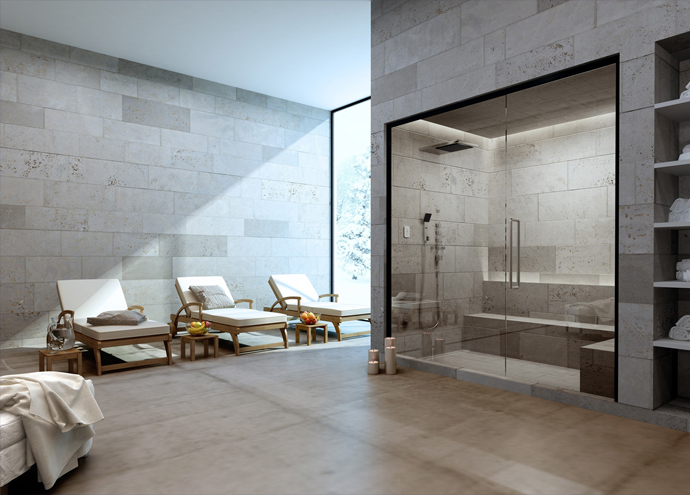
Introduction: Why Steam Rooms Are Different
Steam rooms occupy a unique space in the world of heat therapy and home wellness. Unlike saunas—which rely on high, dry heat—steam rooms use moist heat to create an experience that feels gentler, more enveloping, and often more accessible to a wider range of people.
A properly designed steam room fills an enclosed space with warm vapor, raising humidity to nearly 100 percent while keeping temperatures significantly lower than most saunas. The result is a deep, penetrating warmth that many people find easier to tolerate, especially those who struggle with intense dry heat.
Steam rooms are increasingly popular in homes, gyms, spas, and hotels, not just as a luxury feature, but as a practical wellness investment. Homeowners are adding steam rooms to primary bathrooms, converting existing showers, or building dedicated steam enclosures as part of broader renovation projects.
This guide is designed to give you a clear, realistic understanding of steam rooms—how they work, what they cost, how they differ from saunas, and what it takes to build and maintain one properly. Whether you’re considering a home steam shower, planning a custom installation, or simply trying to understand whether a steam room is right for you, this hub will walk you through the fundamentals and point you to deeper resources when you’re ready.
What Is a Steam Room?
A steam room is an enclosed space designed to generate and contain high-humidity heat using steam produced by a dedicated steam generator. Unlike saunas, which heat the air (and surfaces) directly, steam rooms rely on vaporized water to warm the body through moisture and condensation.
Most steam rooms operate at temperatures between 100°F and 120°F, but because the air is nearly saturated with moisture, the heat often feels more intense than the numbers suggest. This combination of moderate temperature and extreme humidity is what defines the steam room experience.
At a basic level, every steam room consists of three core components:
1. Steam Generator
The steam generator is the heart of the system. It heats water until it turns into steam and then delivers that steam into the enclosure through dedicated steam outlets. Generators are sized based on the volume of the room, ceiling height, and construction materials, and can range from compact residential units to large commercial systems.
2. Sealed Enclosure
Steam rooms must be fully enclosed and vapor-tight to function properly. Walls, ceilings, benches, and doors are constructed from materials that can withstand constant moisture and heat. Tile, stone, and glass are most commonly used, along with waterproof membranes and vapor barriers hidden behind finished surfaces.
Even small leaks or design flaws can significantly reduce performance, which is why steam rooms require more precise construction than many people expect.
3. Controls and Steam Delivery
Steam is introduced into the room through low-mounted steam heads, which allow vapor to rise naturally and circulate throughout the enclosure. Control panels—mounted either inside or outside the room—allow users to adjust temperature, session length, and optional features such as lighting or aromatherapy.
Steam Rooms vs. Steam Showers
The terms steam room and steam shower are often used interchangeably, but they are not always the same thing.
- A steam shower is typically a standard residential shower that has been sealed and equipped with a steam generator.
- A steam room may refer to a larger, dedicated space designed solely for steam bathing, often with built-in benches and more robust construction.
Both rely on the same underlying technology, but size, materials, and installation complexity can vary significantly.
The Defining Characteristics of a Steam Room
What truly sets steam rooms apart is not extreme heat, but environmental saturation. The near-total humidity changes how heat is perceived, how the body responds, and how long sessions are typically enjoyed.
This makes steam rooms especially appealing to people who:
- Prefer lower temperatures
- Enjoy a more enveloping, spa-like environment
- Want a gentler alternative to dry heat
Understanding these fundamentals is essential before comparing steam rooms to saunas, evaluating costs, or planning an installation.
How Steam Rooms Work
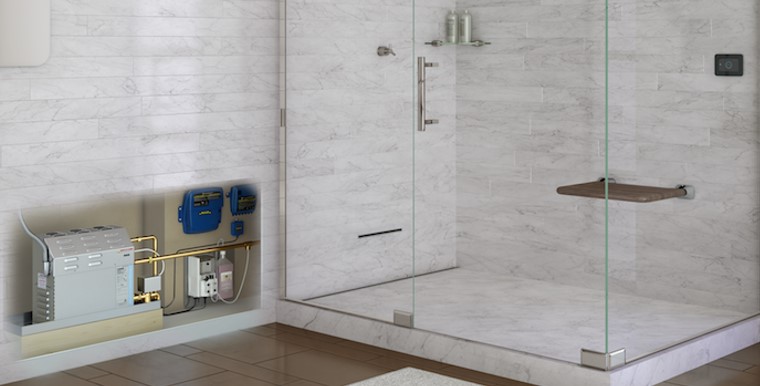
At their core, steam rooms are a combination of controlled water heating, precise vapor delivery, and airtight construction. Every element must work together to maintain consistent temperature and humidity while preventing moisture damage to surrounding spaces.
Steam Generation
A steam room begins with a dedicated steam generator, typically installed outside the room in a nearby mechanical space, closet, or vanity. The generator connects to a cold-water supply and heats that water until it vaporizes into steam.
Unlike a sauna heater—which warms air and surfaces directly—a steam generator continuously produces vapor throughout the session. This allows the room to maintain nearly 100% relative humidity, even as steam condenses on walls, ceilings, and benches.
Generator size is critical. Undersized units struggle to maintain steam, while oversized units can create overly aggressive vapor output and shorten equipment lifespan.
Steam Delivery and Circulation
Steam enters the room through low-mounted steam heads, usually positioned near the floor or beneath seating. This placement allows steam to rise naturally, filling the enclosure evenly from the bottom up.
Because steam is lighter than air once heated, circulation occurs without fans or mechanical assistance. A well-designed room achieves uniform warmth without hot spots or stagnant corners.
Condensation plays a key role in heat transfer. As steam contacts cooler surfaces and skin, it releases heat energy, producing the deep, enveloping warmth steam rooms are known for.
Controls and User Settings
Modern steam rooms rely on digital or analog control panels that regulate:
- Session duration
- Steam output
- Temperature limits
- Optional features such as lighting or aromatherapy
Controls may be mounted inside or outside the enclosure, depending on preference and design. Many systems include automatic shutoffs and safety timers to prevent overuse or accidental extended operation.
The Role of Enclosure Design
Steam rooms only function properly when the enclosure is fully sealed. Walls and ceilings are constructed with waterproof membranes and vapor barriers beneath finished surfaces such as tile or stone.
Even minor air leaks can dramatically reduce performance. Steam escaping the enclosure lowers humidity, increases generator workload, and can cause moisture damage in adjacent spaces.
Ceilings are often sloped slightly to prevent condensation from dripping directly onto occupants, improving comfort and safety.
Steam Room Benefits
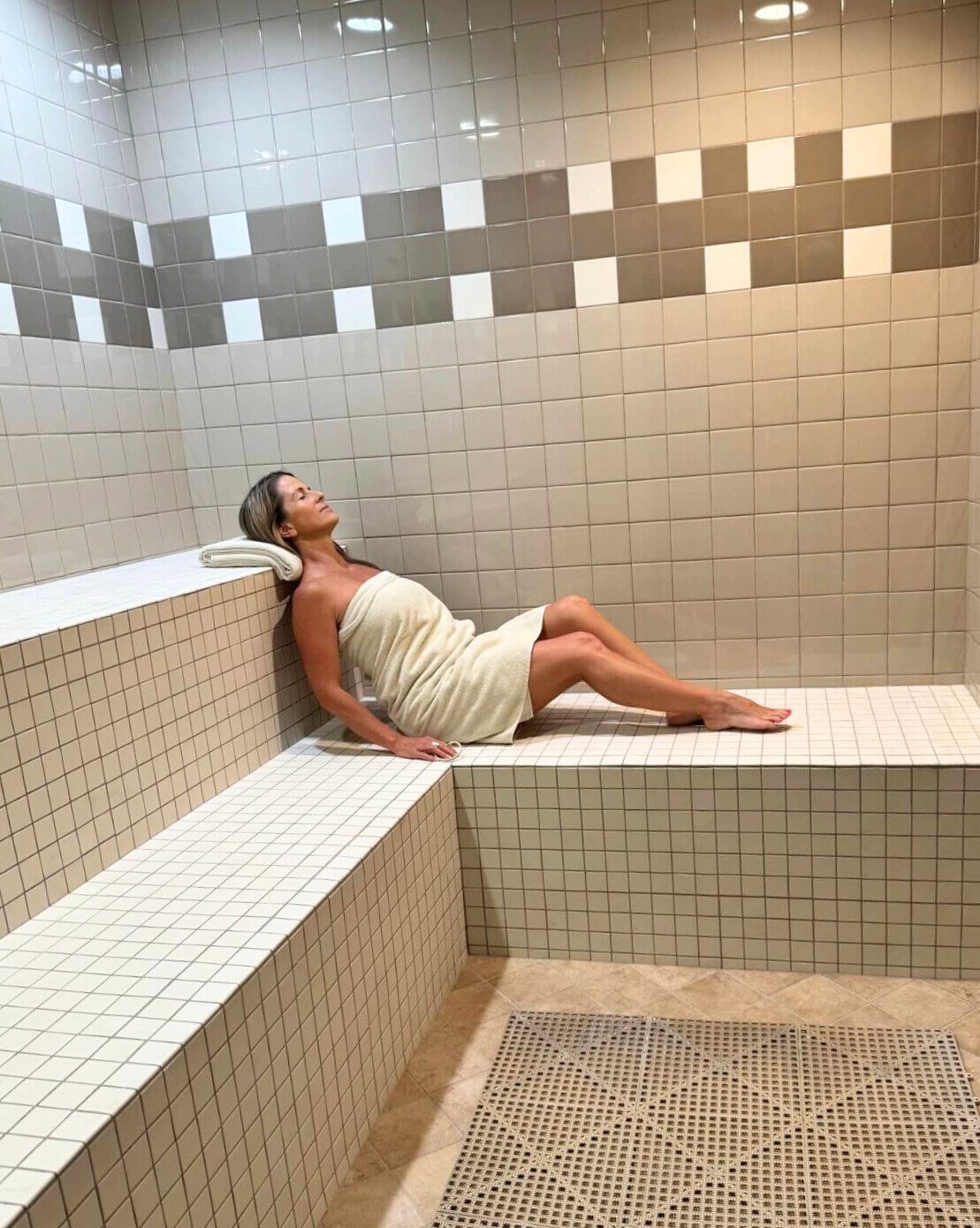
Steam rooms are often associated with wellness, relaxation, and recovery, largely because of how moist heat interacts with the body. While experiences vary from person to person, many users find steam bathing to be both calming and restorative when used responsibly.
Deep, Gentle Heat Exposure
Because steam rooms operate at lower temperatures than saunas, many people find them easier to tolerate. The moisture allows heat to penetrate without the intense surface dryness associated with high-temperature environments.
This makes steam rooms appealing to individuals who:
- Struggle with dry heat
- Prefer shorter, more relaxing sessions
- Want warmth without extreme temperatures
Skin Hydration and Cleansing
The high humidity environment encourages perspiration while simultaneously preventing the skin from drying out. Steam opens pores and softens the outer layers of skin, which many users associate with a refreshed or cleansed feeling after a session.
While steam rooms are not a replacement for proper skincare, the environment can complement routine hygiene and relaxation practices.
Respiratory Comfort
Warm, moist air can feel soothing to the respiratory system, particularly in dry climates or during colder months. Many users report that steam rooms feel more comfortable for breathing compared to dry heat environments.
This is one reason steam rooms are commonly found in spas and wellness centers, where comfort and accessibility are prioritized.
Muscle Relaxation and Stress Reduction
Heat exposure naturally encourages muscle relaxation. Combined with the quiet, enclosed environment of a steam room, sessions often promote a sense of calm and reduced tension.
For many people, steam rooms serve as a mental reset, offering a brief escape from external noise and distractions.
Important note: Steam room benefits are generally associated with comfort and relaxation. Steam rooms are not a medical treatment and should be used thoughtfully, especially by individuals with health conditions.
Steam Room vs. Sauna: Key Differences
Steam rooms and saunas are often grouped together, but they deliver very different experiences. Understanding these differences is essential when deciding which option fits your preferences, space, and long-term goals.
Heat and Humidity
- Steam rooms:
- Moderate temperatures (100–120°F)
- Nearly 100% humidity
- Heat feels enveloping and moist
- Saunas:
- Higher temperatures (150–200°F+)
- Low humidity (traditional dry saunas)
- Heat feels intense and dry
The humidity difference dramatically affects comfort and session length.
Physical Experience
In a steam room, heat transfer occurs largely through condensation and moisture contact with the skin. In a sauna, heat is absorbed primarily from hot air and heated surfaces.
As a result:
- Steam rooms often feel gentler but more immersive
- Saunas feel more intense and energizing
Personal tolerance plays a major role in preference.
Construction and Materials
Steam rooms require:
- Waterproof membranes
- Vapor barriers
- Non-porous finishes like tile or stone
Saunas typically use:
- Wood interiors
- Ventilation rather than full vapor sealing
- Dry, heat-resistant construction methods
Steam rooms are generally more complex to build correctly.
Maintenance and Longevity
Steam rooms demand consistent cleaning and moisture management to prevent mold and material degradation. Saunas, while still requiring maintenance, typically involve fewer moisture-related concerns.
Both systems can last many years when properly installed and maintained, but steam rooms are less forgiving of shortcuts.
Who Should Choose Which?
A steam room may be ideal if you:
- Prefer lower temperatures
- Enjoy humidity and spa-like environments
- Want a gentler heat experience
A sauna may be better if you:
- Enjoy intense, dry heat
- Prefer traditional wellness rituals
- Want simpler construction and maintenance
Many homeowners ultimately choose both, using steam rooms for relaxation and saunas for high-heat sessions.
Types of Steam Rooms
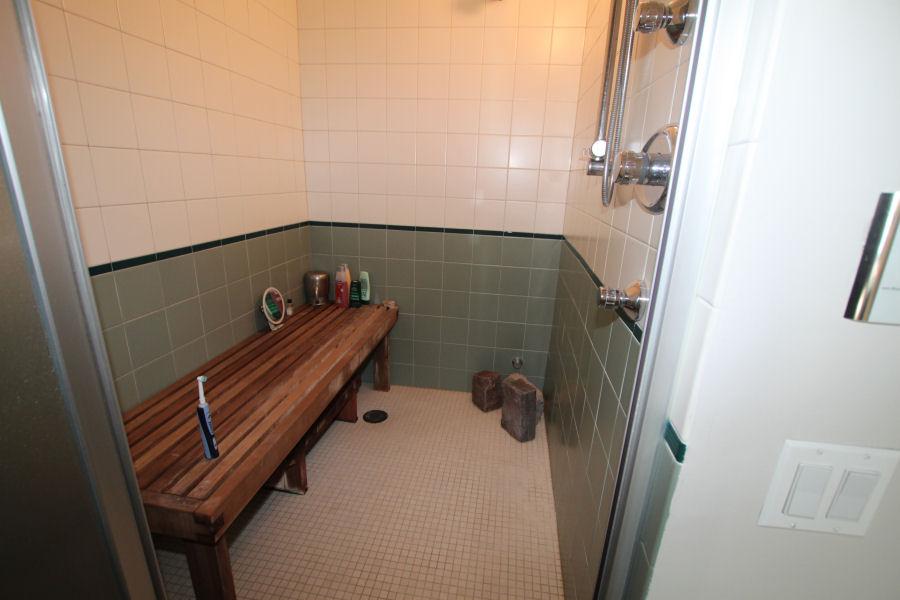
Steam rooms generally fall into two broad categories: residential and commercial. While both rely on the same basic principles, the scale, equipment, and long-term demands can differ significantly.
Home Steam Rooms
Home steam rooms are designed for private use and are most commonly installed in residential bathrooms or as part of a dedicated wellness space.
Many homeowners choose to integrate steam into:
- Existing showers
- Primary bathroom renovations
- Basement or home spa areas
The defining feature of a home steam room is that it is sized, powered, and maintained for intermittent daily use, rather than continuous operation.
Steam Showers vs. Full Steam Rooms
A steam shower is typically a standard shower enclosure that has been sealed and outfitted with a steam generator. These are popular because they:
- Require less space
- Can often be added during bathroom remodels
- Combine showering and steam bathing in one footprint
A full steam room, by contrast, is a dedicated enclosure built specifically for steam bathing. These rooms often include:
- Built-in benches
- Higher ceilings
- Larger volumes for multiple users
Both options rely on the same technology, but full steam rooms offer a more traditional, spa-like experience.
Typical Size Ranges
Residential steam rooms are commonly:
- Small steam showers: 40–80 cubic feet
- Medium rooms: 80–150 cubic feet
- Large custom rooms: 150+ cubic feet
Room size directly affects generator sizing, cost, and installation complexity.
Commercial Steam Rooms
Commercial steam rooms are found in gyms, spas, hotels, and wellness centers, where they are expected to handle frequent, prolonged use by multiple occupants.
These environments require:
- Larger, heavier-duty generators
- Redundant safety systems
- More robust ventilation and drainage
- Strict adherence to local codes
Maintenance and sanitation are more demanding, and materials must withstand constant exposure to heat, moisture, and cleaning chemicals.
Commercial steam rooms are fundamentally different systems and should always be designed and installed by professionals with commercial experience.
(Links to: Home steam room buying guide)
Steam Room Costs: What to Expect
4
The cost of a steam room varies widely depending on size, design, and whether you’re adding steam to an existing space or building from scratch.
Steam Generator Costs
Residential steam generators typically range from:
- Entry-level: smaller units for compact steam showers
- Mid-range: most common for home installations
- Premium: larger, feature-rich systems with advanced controls
Generator size, brand, and features all influence pricing.
Construction and Materials
Construction costs depend on:
- Tile or stone selection
- Waterproofing systems
- Bench and ceiling design
- Glass doors and enclosures
Steam rooms require higher-grade materials and labor than standard showers due to moisture demands.
Electrical and Plumbing Requirements
Steam rooms require:
- Dedicated electrical circuits (often 240V)
- Reliable water supply
- Proper drainage for condensation
Upgrading electrical service or plumbing can significantly affect total cost.
DIY vs. Professional Installation
While some experienced homeowners tackle parts of the process, steam rooms are less forgiving of mistakes than saunas or standard showers. Professional installation reduces the risk of leaks, mold, and generator issues.
Ongoing Operating Costs
Operating costs are generally modest and include:
- Electricity for the generator
- Water usage
- Periodic maintenance
(Links to: How Much Does a Home Steam Room Cost?)
Installing a Steam Room: High-Level Overview
Installing a steam room is as much about controlling moisture as it is about producing steam.
Space Requirements
Steam rooms must be fully enclosed and sealed. Ceilings, walls, and doors must work together to prevent steam escape.
Waterproofing and Vapor Barriers
Proper waterproofing is non-negotiable. Vapor barriers and waterproof membranes are installed behind finished surfaces to protect framing and surrounding structures.
Drainage Considerations
Condensation is constant in steam rooms. Floors must be sloped toward drains, and materials must tolerate standing moisture.
Electrical Needs
Steam generators often require higher-voltage electrical connections and dedicated circuits. Controls and lighting must be rated for wet, high-humidity environments.
Common Installation Mistakes to Avoid
- Undersizing the generator
- Poor vapor sealing
- Flat ceilings that drip condensation
- Using porous or moisture-sensitive materials
(Links to: Full installation guide)
Steam Room Materials and Design Choices
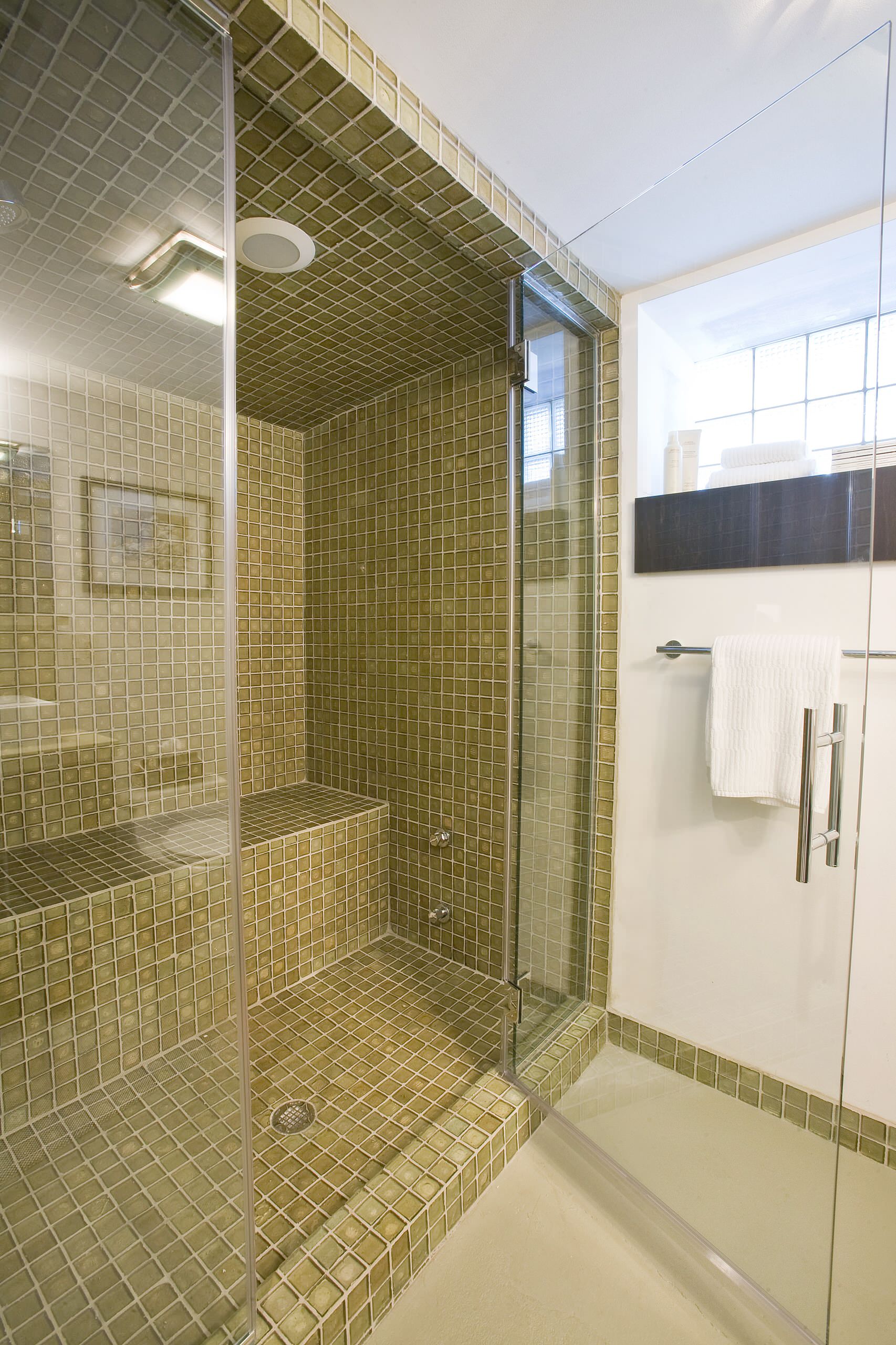
4
Material selection directly affects performance, longevity, and comfort.
Tile and Stone Options
Non-porous tile and stone are standard choices. Porous materials must be sealed properly to prevent moisture absorption.
Benches and Seating
Built-in benches are typically tiled or stone-clad and designed for comfort and durability.
Ceilings and Slopes
Slightly sloped ceilings prevent condensation from dripping directly onto users.
Glass Doors and Enclosures
Steam-rated glass doors allow visibility while maintaining a vapor seal.
Lighting and Ambiance
Low-voltage, moisture-rated lighting creates a calm, spa-like environment.
(Links to: Best materials for steam rooms)
Steam Room Safety and Best Practices
Steam rooms are safe for most people when used responsibly.
- Session length: Shorter sessions are typically more comfortable
- Hydration: Drink water before and after use
- Heat sensitivity: Lower temperatures help, but caution is still necessary
- Children: Supervision and conservative use are essential
Steam rooms are intended for relaxation, not endurance.
(Links to: How long should you stay in a steam room?)
Steam Room Maintenance and Longevity
Routine Cleaning
Daily wipe-downs and weekly cleaning prevent residue buildup and odors.
Mold and Mildew Prevention
Ventilation after use and consistent cleaning are key.
Generator Maintenance
Periodic flushing and inspections extend generator life.
Expected Lifespan
With proper care:
- Generators often last many years
- Tile and stone enclosures can last decades
(Links to: Cleaning guide; lifespan article)
Common Steam Room Problems
- Weak or inconsistent steam output
- Cold spots caused by poor circulation
- Odors from trapped moisture
- Generator scaling or electrical issues
Most problems trace back to design, sizing, or maintenance issues.
(Links to: Common steam room problems and fixes)
Steam Room Accessories and Upgrades
Popular upgrades include:
- Advanced control panels
- Aromatherapy delivery systems
- Chromotherapy lighting
- Moisture-rated speakers
- Ergonomic seating enhancements
Accessories can significantly enhance comfort without altering core construction.
(Links to: Steam room accessories guide)
Is a Steam Room Right for You?
Steam rooms are well-suited for people who:
- Prefer gentler heat
- Enjoy humidity and spa environments
- Want relaxation rather than extreme heat exposure
They may be less ideal for those who dislike moisture or want very high temperatures. In some cases, a sauna—or a combination of both—offers the best balance.
Frequently Asked Questions About Steam Rooms
Are steam rooms expensive to operate?
Operating costs are generally modest for residential use.
Can I add a steam room to an existing shower?
Yes, with proper sealing, electrical capacity, and drainage.
How long does it take to heat a steam room?
Most reach full steam within minutes.
Do steam rooms increase home value?
They can enhance appeal, especially in higher-end homes.
Are steam rooms safe for daily use?
For most people, yes—when sessions are reasonable and hydration is maintained.
Final Thoughts: Building the Right Steam Room
A well-designed steam room is a long-term wellness feature, not just a luxury add-on. Success depends on thoughtful planning, correct sizing, quality materials, and realistic expectations about maintenance.
By understanding how steam rooms work—and how they differ from saunas—you can make informed decisions that lead to years of comfortable, reliable use.
For deeper guidance, explore the buying, cost, installation, and maintenance guides linked throughout this page.
