Chromotherapy is a feature that shows up in many modern saunas, often presented as a wellness upgrade alongside heating systems and controls. If you’ve been researching home saunas, you’ve probably seen references to colored lighting and claims about different colors producing different health effects.
This article takes a straightforward look at chromotherapy in saunas—what it is, why it’s so common, what evidence actually supports, and how much weight it deserves when choosing a sauna. Check out our chromotherapy buyers guide.
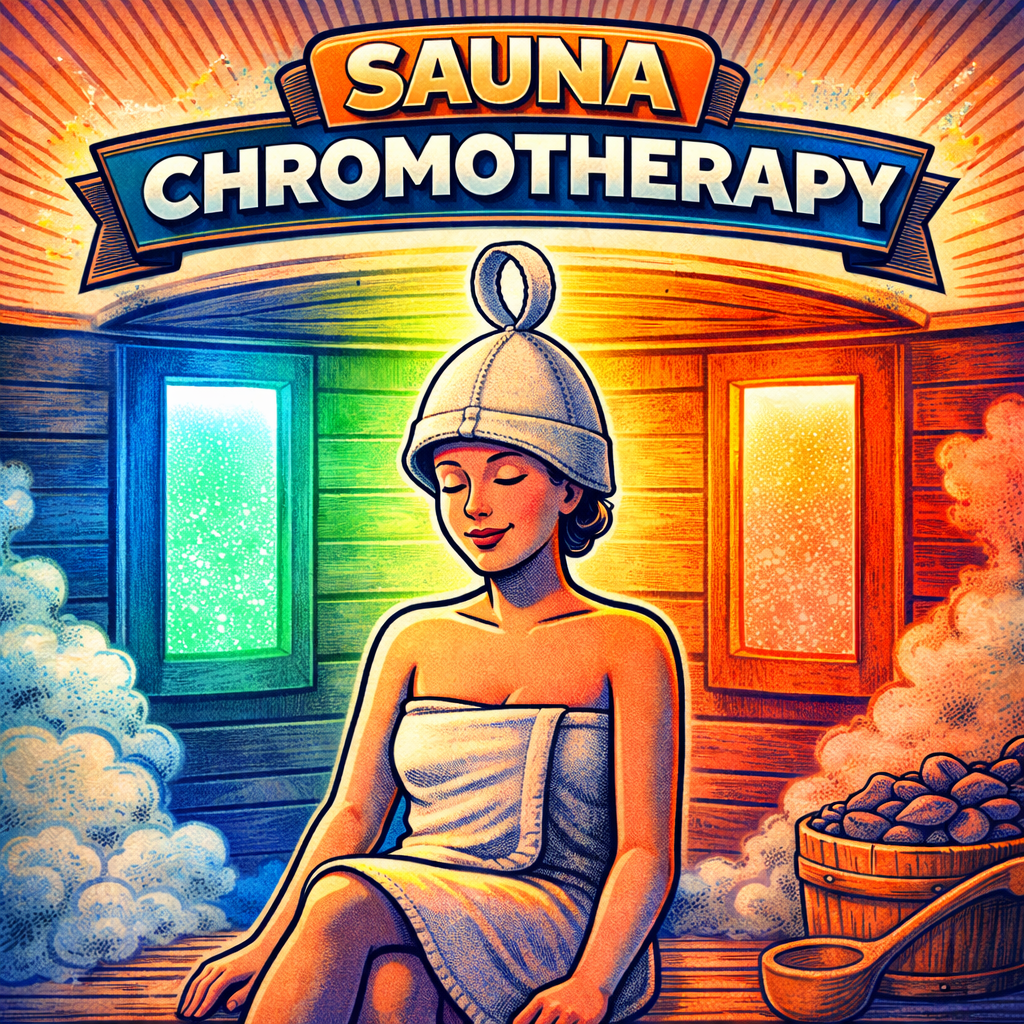
What Is Chromotherapy?
Chromotherapy, sometimes called color light therapy, refers to the use of colored light with the goal of influencing mood, relaxation, or well-being. In the context of saunas, chromotherapy typically consists of LED lighting systems that allow users to select different colors during a session.
These systems are usually built into the ceiling or walls of a sauna and are controlled through a digital panel or remote. The colors themselves do not change the heat of the sauna—they simply change the lighting environment.
Why Chromotherapy Is Common in Modern Saunas
Chromotherapy has become widespread in sauna design for practical reasons:
- LED lighting is inexpensive and easy to install
- Color-changing lights look attractive in marketing photos
- Many buyers associate lighting with relaxation and wellness
- It helps manufacturers differentiate models without major cost increases
In short, chromotherapy is a visually appealing feature that fits naturally into modern sauna designs, even if its benefits are often overstated.
What the Evidence Actually Supports
When discussing chromotherapy, it’s important to separate evidence-based effects from broader or more speculative claims.
Red and Near-Infrared Light
Red light and near-infrared light are often grouped under chromotherapy, but they are more accurately discussed as red light therapy. These wavelengths have been studied for potential effects related to skin health, circulation, and muscle recovery.
When people cite research supporting “chromotherapy,” they are often referring specifically to red or near-infrared light—not to color therapy as a whole.
It’s also worth noting that in many saunas, chromotherapy lighting is not designed or powerful enough to function as true red light therapy. Dedicated red light therapy panels are typically more intense and purpose-built.
Click here for our post on Red and Near-Infrared Light Therapy
General Light Exposure and Mood
Lighting can influence how a space feels. Soft, warm, or colored lighting may help some people feel more relaxed, calm, or comfortable during a sauna session. These effects are best understood as environmental or psychological, rather than direct physiological effects tied to specific colors.
In this sense, chromotherapy can enhance ambiance—but it does not require specific colors to produce specific biological outcomes.
What’s More Speculative (and Often Overstated)
Many chromotherapy claims go far beyond what current evidence supports. These include assertions that individual colors—such as blue, green, or purple—produce distinct effects on specific organs, emotions, or medical conditions.
These ideas often come from symbolic, traditional, or alternative frameworks rather than modern clinical research. While some people enjoy selecting different colors based on personal preference, there is little strong evidence that different colors create reliably different health outcomes.
This doesn’t mean chromotherapy is harmful or useless—it simply means that many of the more specific claims should be viewed with skepticism.
Should Chromotherapy Matter When Choosing a Sauna?
For most buyers, chromotherapy should be considered an optional feature, not a deciding factor.
When choosing a sauna, factors such as:
- Heating method
- Size and layout
- Build quality
- Temperature range
- Overall comfort
are far more important than lighting features.
If a sauna you like happens to include chromotherapy, it can be a pleasant addition. But it generally isn’t worth paying significantly more for, and it shouldn’t outweigh more fundamental considerations.
Chromotherapy as an Optional Feature, Not a Core Benefit
Chromotherapy is now a standard feature in many saunas, largely because it’s easy to add and visually appealing. Red and near-infrared light have the strongest evidence base, while claims about specific colors producing specific health effects are far less supported.
Used with realistic expectations, chromotherapy can contribute to a more enjoyable sauna environment. But it’s best viewed as a comfort or ambiance feature—not a central reason to buy a sauna.
