One of the most common questions people ask before buying a home sauna is simple: how much does it actually cost?
The answer depends less on brand names and more on the type of sauna, how it’s installed, and how you plan to use it over time.
This guide explains the real cost ranges for home saunas, what drives price differences, and how to think about total ownership cost — before choosing between infrared or traditional options.
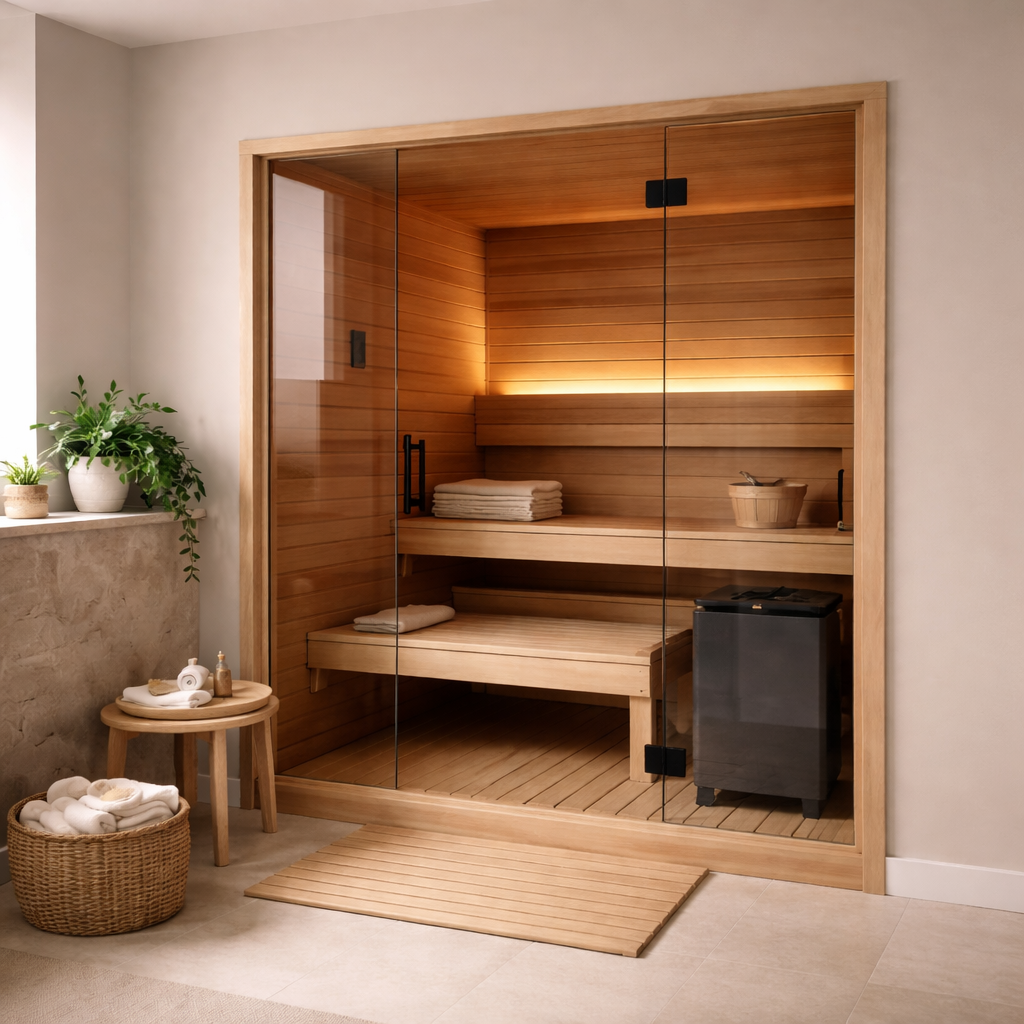
Why Sauna Prices Vary So Widely
Home sauna prices range from relatively affordable to significant long-term investments. This wide spread exists because saunas differ in:
- Heating technology
- Size and materials
- Installation requirements
- Durability and lifespan
Understanding why prices vary helps prevent overpaying — or underbuying.
Entry-Level vs Long-Term Costs
Many people focus on the upfront price, but ownership cost includes more than the purchase itself.
Costs typically fall into two categories:
- Initial purchase cost
- Long-term ownership cost
Lower upfront prices often trade durability and comfort for accessibility, while higher prices usually reflect build quality and longevity.
Infrared Sauna Cost Ranges
Infrared saunas generally have a lower barrier to entry and simpler installation requirements.
Typical price considerations include:
- Smaller units at the lower end
- Larger cabins at higher prices
- Cost increases with size and materials
Infrared saunas often appeal to buyers looking for accessibility and convenience.
Infrared sauna prices vary based on size, heater type, and build quality.
Traditional Sauna Cost Ranges
Traditional saunas usually involve higher upfront costs due to:
- Heater and stone systems
- Electrical requirements
- Heavier construction
Costs increase with size, heater capacity, and whether the sauna is installed indoors or outdoors.
Traditional sauna costs depend heavily on heater choice and installation.
Portable vs Permanent Cost Differences
Another major cost divider is whether the sauna is portable or permanent.
Portable saunas:
- Lower upfront cost
- Minimal installation
- Shorter lifespan
Permanent saunas:
- Higher upfront investment
- More installation planning
- Better long-term value
Upfront cost often correlates with long-term durability.
Installation and Electrical Costs
Beyond the sauna itself, installation can add to the total cost.
Possible additional expenses include:
- Electrical upgrades
- Dedicated circuits
- Professional installation
- Ventilation considerations
These costs vary widely depending on home layout and local codes.
Indoor vs Outdoor Cost Considerations
Placement also affects cost.
Indoor saunas may require:
- Moisture planning
- Electrical access
- Limited size adjustments
Outdoor saunas often involve:
- Site preparation
- Weather protection
- More structural materials
Sauna placement influences both cost and long-term maintenance.
Operating Costs Over Time
Home saunas do add modest operating costs, including:
- Electricity usage
- Occasional maintenance
- Replacement accessories
These costs are generally predictable and manageable for most homeowners.
What Drives Cost Up (and What Doesn’t)
Costs increase with:
- Larger size
- Higher-quality materials
- More powerful heaters
- Outdoor construction
Costs are less affected by:
- Marketing labels
- Overstated features
- Cosmetic upgrades
Understanding this distinction helps prioritize what actually matters.
How to Think About Budgeting for a Home Sauna
Rather than asking “what’s the cheapest option,” it’s more helpful to ask:
- How often will I realistically use it?
- Do I value intensity or accessibility?
- Is this a short-term experiment or long-term addition?
Comfort and consistency often matter more than saving upfront.
Where Cost Fits Into the Buying Process
Cost is best considered after understanding sauna types and ownership decisions, but before choosing a specific model.
This prevents:
- Buying the wrong type to save money
- Paying more for features you won’t use
- Replacing a sauna sooner than expected
Final Thoughts
Home sauna costs vary because home saunas vary. There is no single “right” price — only a range that matches your space, usage, and expectations.
Understanding cost in context makes choosing between infrared and traditional saunas clearer, calmer, and more confident.
